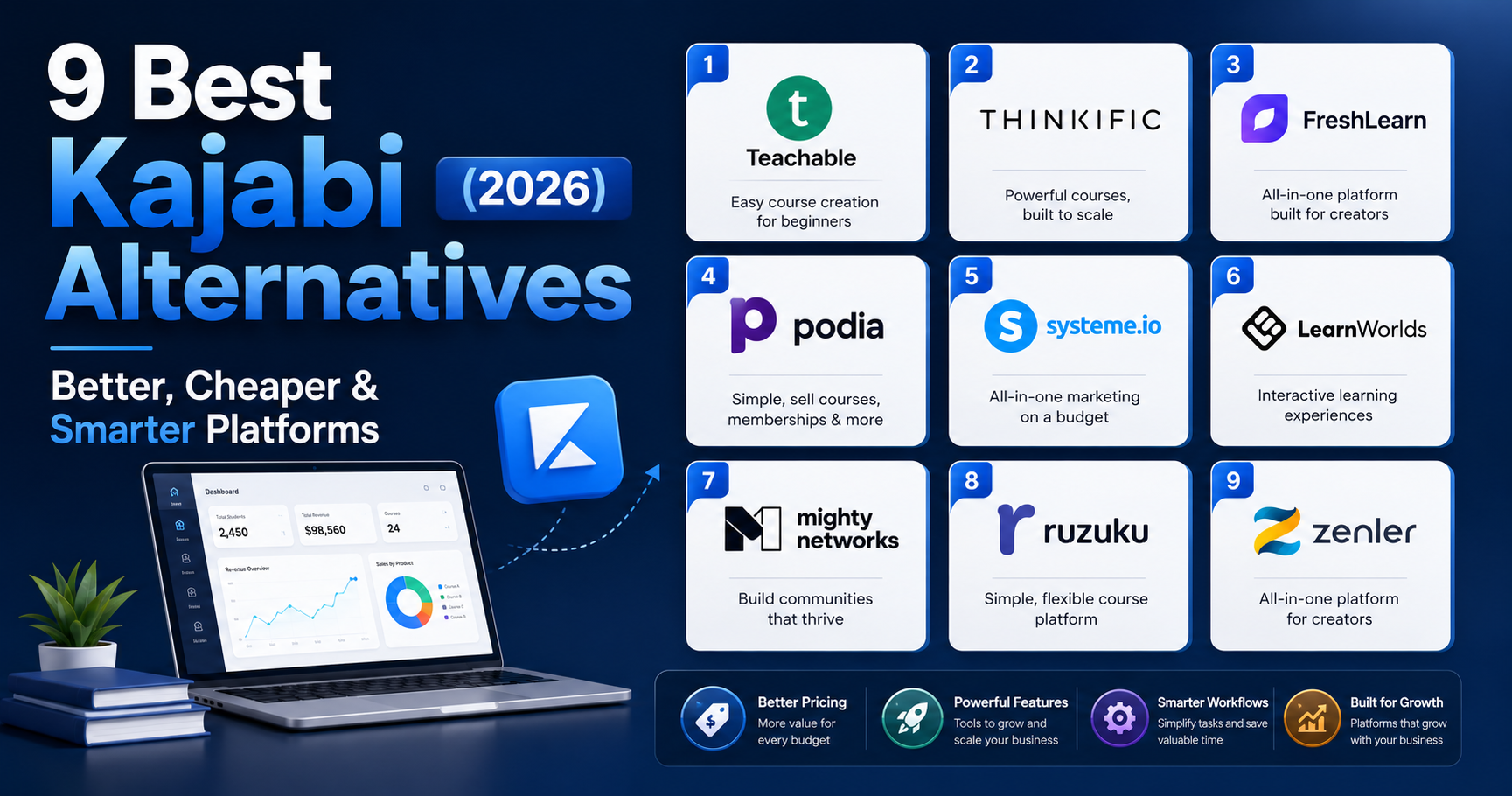
Choosing the right platform for your online business isn’t just about features—it’s about finding something that actually fits how you work.
For years, Kajabi has been one of the most popular all-in-one platforms for creators. It allows you to build courses, create funnels, manage email marketing, and run your entire business from a single dashboard.
But things have changed.
Today, more creators are actively searching for Kajabi alternatives that offer:
- Better pricing
- Simpler workflows
- More flexibility
- Or stronger features in specific areas
Because the reality is simple, Kajabi is powerful—but it’s not the perfect fit for everyone.
In this guide, we’ll break down Kajabi first, then explore the best platforms like Kajabi in 2026 so you can choose the right one for your needs.
A Quick Look at Kajabi
Kajabi is an all-in-one platform that helps creators run their entire online business from one place. It combines course creation, marketing, and sales tools into a single system.
What You Can Do with Kajabi
- Create and sell online courses: Build and sell structured courses with videos, lessons, and built-in checkout.
- Build a website: Create landing pages and a full website using a simple drag-and-drop builder.
- Run email marketing campaigns: Send emails, automate sequences, and manage audience communication easily.
- Create sales funnels: Design funnels to convert visitors into leads and paying customers.
- Offer memberships and communities: Create subscription-based content and engage users through community features.
Top Features of Kajabi
Kajabi offers a wide range of built-in features that help creators manage courses, marketing, and sales from one platform.
Key Features
- All-in-one platform: Manage course hosting, website building, email marketing, and sales funnels from a single dashboard without needing multiple tools.
- Built-in marketing tools: Create email campaigns, automate sequences, build landing pages, and design funnels to promote and sell your products effectively.
- Website builder: Design a complete website using a drag-and-drop editor with customizable themes and mobile-friendly layouts.
- Membership and community features: Offer subscription-based content, create membership sites, and build a community to engage your audience.
- Analytics and tracking: Monitor sales performance, track student progress, and analyze marketing campaigns with built-in reporting tools.
Pros and Cons of Kajabi
Kajabi offers powerful features, but it also comes with a few limitations depending on your needs and budget.
Pros
- All-in-one convenience: Everything from course creation to marketing and sales is available in one platform, reducing the need for multiple tools.
- Strong marketing capabilities: Built-in email automation, funnels, and landing pages make it easier to promote and sell your products.
- Professional setup: You can build and run a complete online business without relying heavily on external tools.
- Reliable and scalable: Suitable for both beginners and advanced creators looking to grow their business over time.
Cons
- High pricing
Kajabi is more expensive than most alternatives, especially for beginners or small creators.
- Can feel overwhelming
The number of features can make it confusing for users who only need basic functionality.
- Limited flexibility
Being an all-in-one platform, customization and integrations can feel restrictive.
- Not specialized
Some platforms offer better features for specific needs like course creation, community, or automation.
Why People Look for Kajabi Alternatives
Most creators don’t switch because Kajabi is bad—they switch because it doesn’t match their needs or budget.
Common Reasons
- High pricing: Kajabi is one of the most expensive platforms, and many creators end up paying for features they don’t fully use.
- Too many features for simple needs: If you only want to sell courses, Kajabi can feel unnecessarily complex and overwhelming.
- Better specialized tools available: Some platforms offer better solutions for specific needs like course creation, community building, or automation.
- Limited flexibility: Users often want more control, integrations, or customization than Kajabi allows.
Choosing the Right Kajabi Alternative
Before picking an alternative, it’s important to understand what actually matters for your business.
What to Look For
- Ease of use: Choose a platform that lets you launch quickly without a steep learning curve.
- Pricing: Make sure the cost matches your budget and the features you actually need.
- Core features: Focus on what matters most—courses, marketing, or community—rather than everything at once.
- Scalability: Pick a platform that can grow with your business over time.
Here’s Where Kajabi Alternatives Come In
Kajabi is powerful, but as we’ve seen, it’s not always the perfect fit, especially when it comes to pricing, simplicity, or flexibility.
That’s exactly why so many creators today are exploring Kajabi alternatives.
Instead of using one platform for everything, you can now choose tools that are:
- More affordable
- Easier to use
- Better at specific functions (like courses, community, or marketing)
The key is not to find a “replacement” for Kajabi—but to find a platform that fits your workflow better.
Below are the 9 best Kajabi alternatives in 2026, each with its own strengths depending on your needs.
9 Best Kajabi Alternatives (2026)
1. Teachable
Teachable is one of the most popular Kajabi alternatives for creators who want a simple and beginner-friendly platform to sell online courses and digital products. In addition to course hosting, Teachable includes features for student management, payment processing, coaching, and basic email tools, making it a practical option for creators starting their online education business.

Ease of Use: ⭐⭐⭐⭐⭐
Features: ⭐⭐⭐⭐
Affordability: ⭐⭐⭐⭐
Learning Experience: ⭐⭐⭐⭐
Because of its clean interface and easy setup process, many creators choose Teachable to launch courses quickly without dealing with technical complexity. It’s especially popular among solopreneurs, coaches, and beginners looking for an affordable and straightforward online course platform.
Top Features
- Course certificates
- Drip content scheduling
Pros
- Drag-and-drop course builder
- Built-in payment processing
- Affiliate marketing system
- Easy to use for beginners
- Quick course setup
- Built-in payment handling
- Reliable platform
Cons
- Limited marketing automation
- Transaction fees on lower plan
- Fewer customization options
- Advanced features locked in higher plans
Kajabi vs Teachable
- Kajabi includes built-in email marketing automation and sales funnels, while Teachable focuses mainly on course delivery and basic marketing tools.
- Kajabi offers advanced website customization and branding features, whereas Teachable provides a simpler and more beginner-friendly setup.
- Teachable has lower starting pricing for creators launching their first course, while Kajabi is designed for businesses looking to scale with all-in-one marketing tools.
- Kajabi is ideal for entrepreneurs managing a complete digital business, while Teachable works better for creators focused primarily on selling online courses.
Teachable Pricing
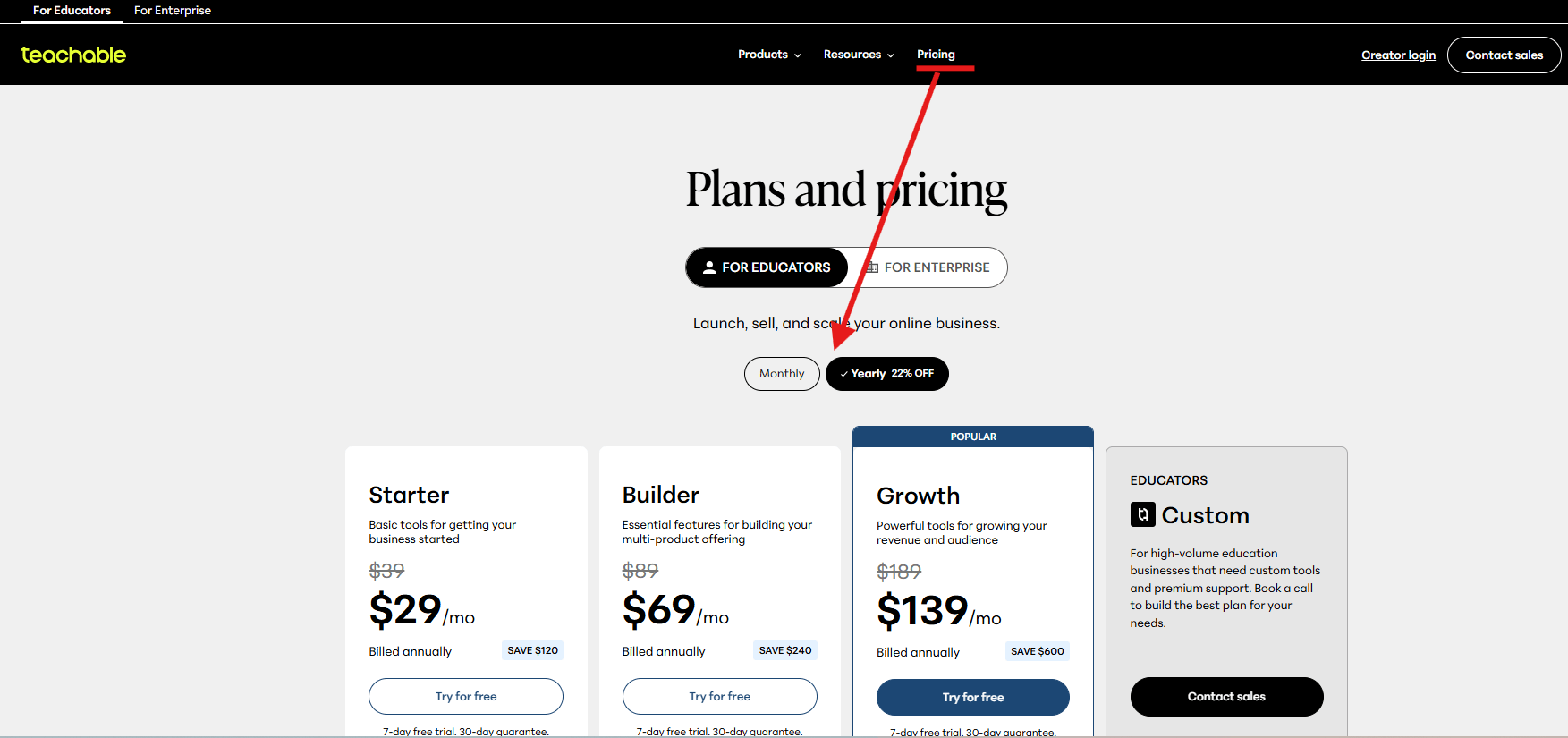
Pricing (Billed Annually)
Starter Plan – $29/month
- 5 published products
- AI course creation
- iOS & Android student apps
- Global payments & taxes
- Upsells & cart recovery
- 7.5% transaction fee
Builder Plan – $69/month
- 10 published products
- All Starter features
- Affiliate program
- Course certificates
Growth Plan – $139/month
- 50 published products
- White-label website
- Custom admin permissions
- Advanced reporting
Advanced Plan
- Higher product limits
- Advanced customization
- Priority support
- Enterprise-level features
2. Thinkific
Thinkific is a strong Kajabi alternative for creators and businesses that want a dedicated online course platform with advanced learning and customization features. Along with course hosting, Thinkific offers tools for memberships, communities, student engagement, website building, and course management, making it ideal for scalable online education businesses.

Ease of Use: ⭐⭐⭐⭐
Features: ⭐⭐⭐⭐⭐
Affordability: ⭐⭐⭐⭐
Learning Experience: ⭐⭐⭐⭐⭐
Because of its flexible course creation tools and strong learning-focused features, many creators choose Thinkific to build professional online academies without relying heavily on marketing-focused software. It’s especially popular among educators, coaching businesses, and companies focused on delivering structured online learning experiences.
Top Features
- Advanced course builder
- Custom website builder
- App marketplace & integrations
- Memberships and communities
- Built-in payment system (no transaction fees)
Pros
- No transaction fees
- Highly customizable platform
- Scalable for growing businesses
- Strong course delivery experience
Cons
- Limited built-in marketing tools
- Requires integrations for funnels
- Slight learning curve
- Advanced features in higher plans
Kajabi vs Thinkific
- Kajabi includes built-in email marketing automation and sales funnels, while Thinkific focuses more on advanced course creation and student learning tools.
- Thinkific offers stronger course customization and learning management features, whereas Kajabi emphasizes all-in-one business and marketing capabilities.
- Kajabi is better suited for entrepreneurs managing a complete digital business, while Thinkific is ideal for educators and businesses focused primarily on online courses and training.
- Thinkific provides more affordable scaling options for course creators, while Kajabi comes at a higher price point for its built-in marketing and automation tools.
Thinkific Pricing
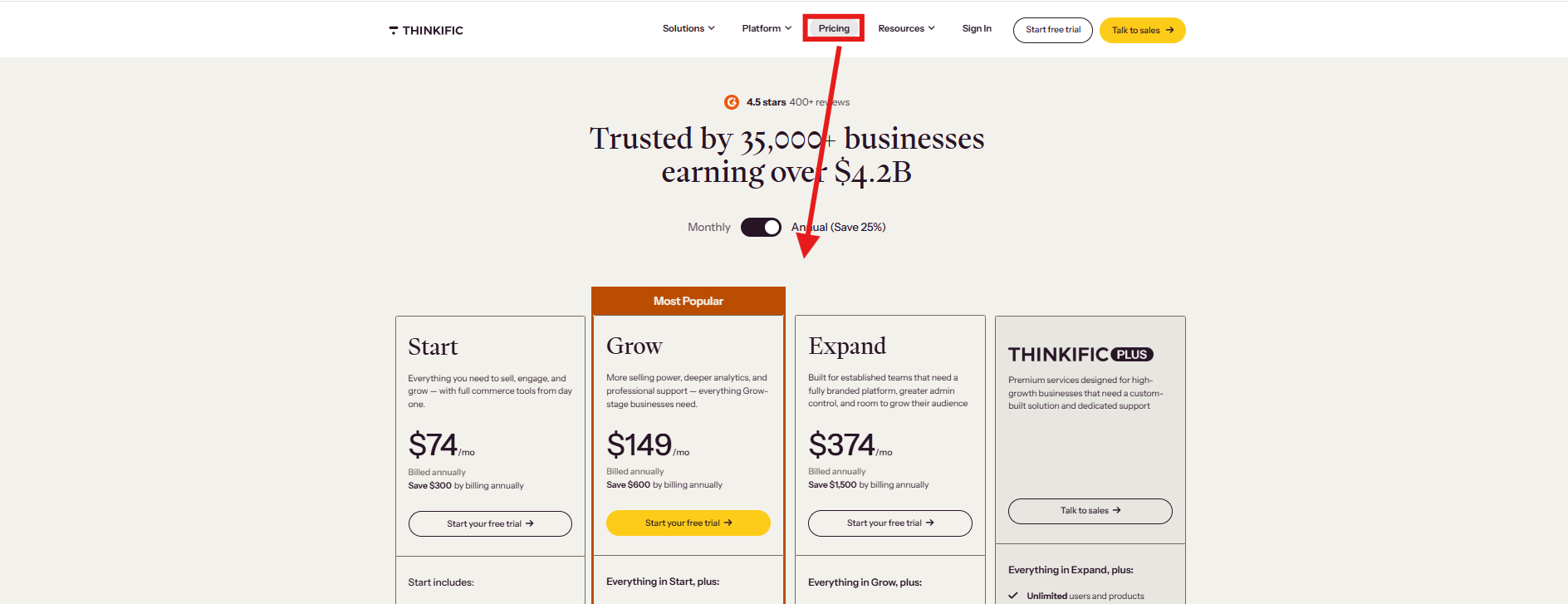
Pricing (Billed Annually)
Basic Plan – $36/month (billed annually)
- Unlimited courses
- Custom domain
- Coupons and promotions
- Drip content
Start Plan – $74/month (billed annually)
- All Basic features
- Live lessons & webinars
- Memberships and subscriptions
- Assignments and certificates
- Advanced course builder tools
Grow Plan – $149/month (billed annually)
- All Start features
- Bulk enrollments & emails
- API access
- Advanced analytics
- White-label options
Thinkific Plus – Custom Pricing
- Enterprise-level features
- CRM integrations
- Unlimited products and admins
- Dedicated onboarding & support
3. FreshLearn
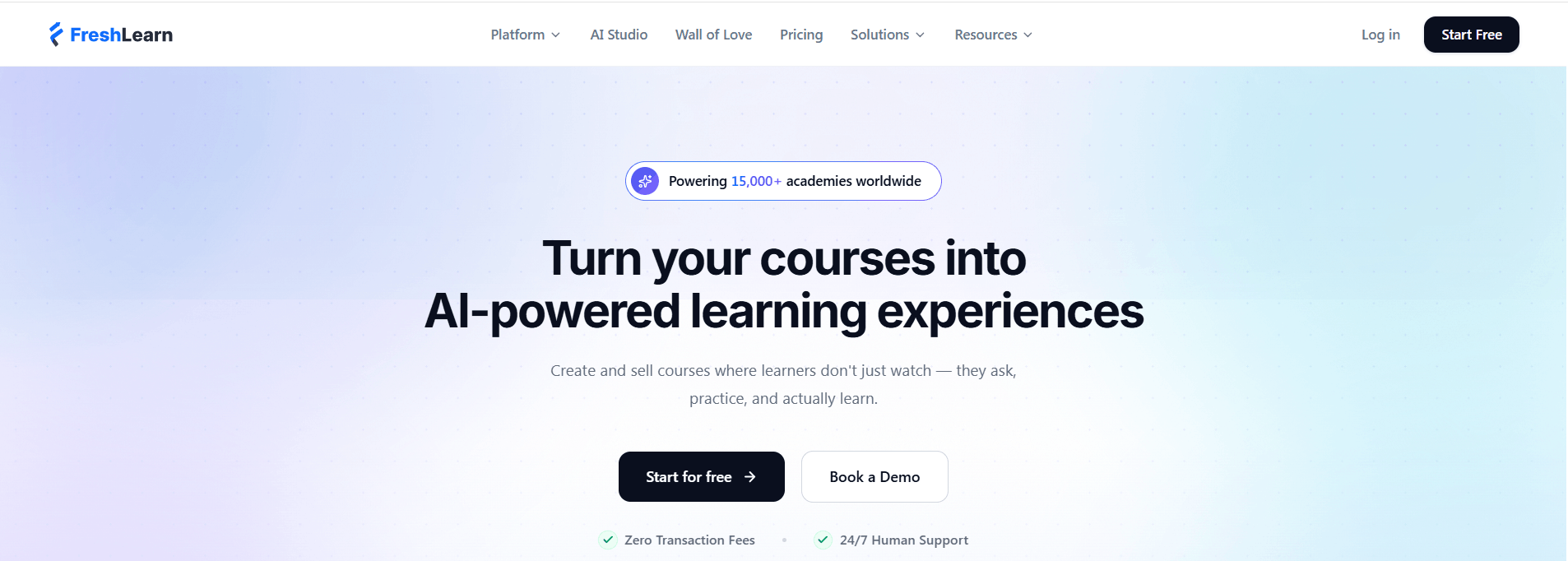
FreshLearn is a growing Kajabi alternative for creators who want an affordable and beginner-friendly platform to sell online courses, digital products, and memberships. Along with course hosting, FreshLearn includes features for website building, payments, coupons, certificates, and basic marketing tools, making it a flexible option for new creators and small businesses.
Ease of Use: ⭐⭐⭐⭐⭐
Features: ⭐⭐⭐⭐
Affordability: ⭐⭐⭐⭐⭐
Learning Experience: ⭐⭐⭐⭐
Because of its simple setup process and budget-friendly pricing, many creators choose FreshLearn to launch and manage their online business without investing heavily in expensive all-in-one platforms. It’s especially popular among beginners, coaches, and solopreneurs looking for an easy way to start selling courses and digital products online.
Top Features
- AI-powered course creation
- Funnel and landing page builder
- Email marketing automation
- Digital products & cohorts
- 0% transaction fees on paid plans
Pros
- Beginner-friendly platform
- AI tools speed up course creation
- No transaction fees on paid plans
- All-in-one solution
Cons
- Limited integrations
- Smaller ecosystem
- Fewer advanced marketing tools
- Still growing compared to competitors
Kajabi vs FreshLearn
- Kajabi includes advanced email marketing automation and sales funnels, while FreshLearn focuses more on affordability and easy course setup.
- FreshLearn offers a more budget-friendly pricing structure and free plan options, whereas Kajabi comes at a higher price point with premium business tools.
- Kajabi provides deeper marketing, automation, and analytics features, while FreshLearn keeps the platform simpler and beginner-friendly.
- FreshLearn is ideal for creators starting their online business, while Kajabi is better suited for entrepreneurs looking to scale a complete digital business ecosystem.
Freshlearn Pricing
Freshlearn (Billed Annually)
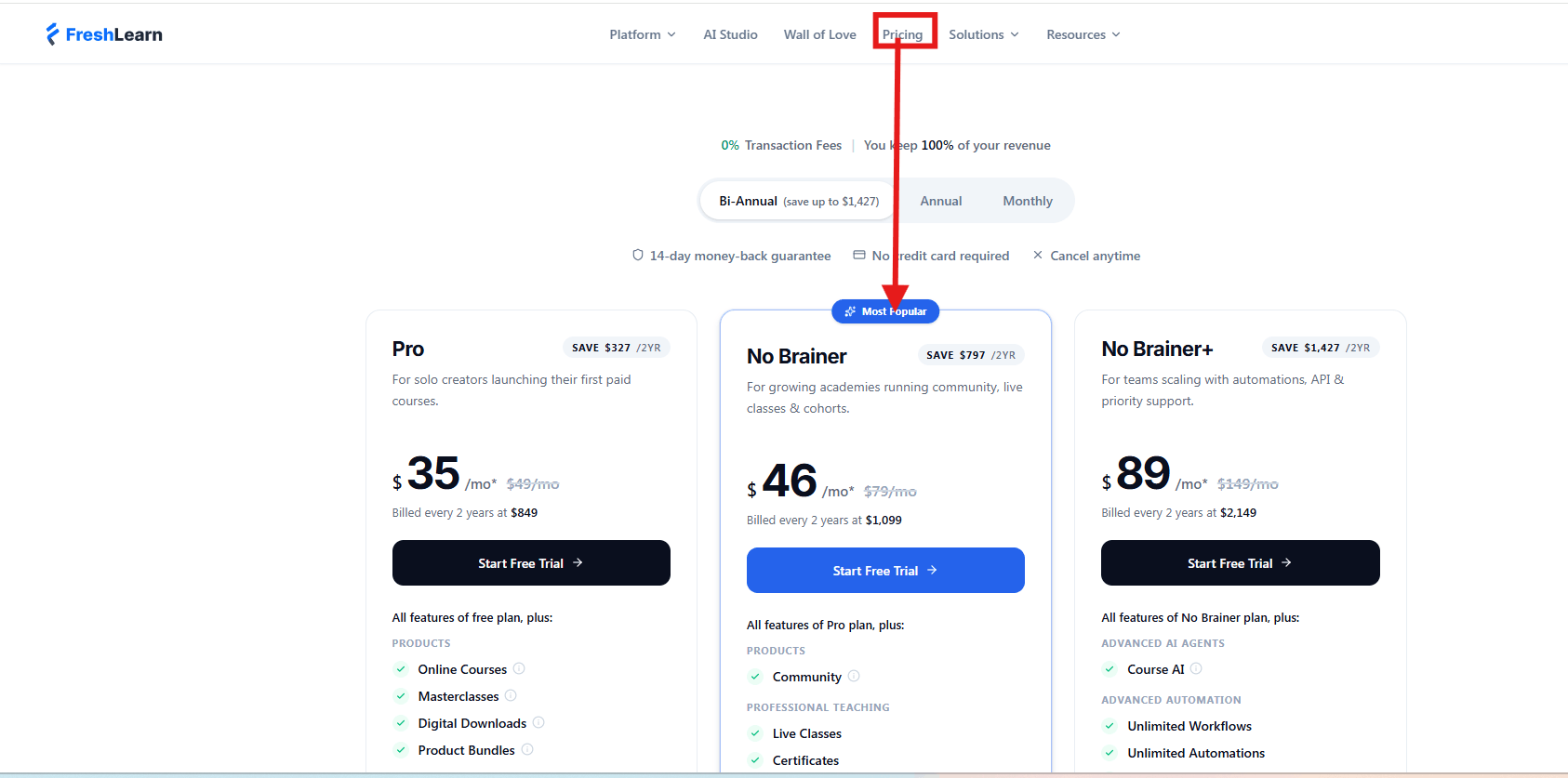
Free Plan – $0/month
- 1 product
- 3 sales pages
- 25 manual enrollments
- Basic platform access
Pro Plan – $41/month
- Unlimited products
- Custom domain
- Drip content
- Coupons and Discounts
No Brainer Plan – $59/month
- Certificates
- Bulk options and Clone option
- Affiliate system
- Marketing tools
- Gamification
No Brainer Plus – $119/month
- Unlimited Automated and Workflows
- Advanced analytics
- Enhanced customization
- Language Translation
- Stripe Auto Tax collection
Enterprise Plan – $249/month
- Unlimited products and enrollments
- Advanced team and admin management
- Custom branding and domain control
- Built for high-volume creators and businesses
4. Podia
Podia is a popular Kajabi alternative for creators who want a simple all-in-one platform to sell online courses, memberships, coaching, and digital products. Along with course hosting, Podia includes built-in tools for email marketing, website creation, webinars, and community engagement, making it a convenient option for managing an online business from one dashboard.
Ease of Use: ⭐⭐⭐⭐⭐
Features: ⭐⭐⭐⭐
Affordability: ⭐⭐⭐⭐⭐
Learning Experience: ⭐⭐⭐⭐
Because of its beginner-friendly interface and affordable pricing, many creators choose Podia to launch courses and digital products without dealing with technical complexity. It’s especially popular among solopreneurs, coaches, and small businesses looking for an easy-to-manage platform for selling digital content online.
Top Features
- Sell courses and digital downloads
- Built-in email marketing
- Membership and community features
- Website and landing page builder
- Unlimited products and customers
Pros
- Very easy to use
- Affordable pricing plans
- Unlimited products and users
- Built-in email marketing
Cons
- Limited advanced customization
- Basic marketing automation
- Fewer integrations
- Not ideal for large-scale businesses
Kajabi vs Podia
- Kajabi includes more advanced marketing automation and sales funnel tools, while Podia focuses on simplicity and ease of use.
- Podia offers more affordable pricing for creators starting their online business, whereas Kajabi comes with premium pricing for its advanced business features.
- Kajabi provides deeper website customization and analytics tools, while Podia emphasizes a clean interface and quick setup process.
- Podia is ideal for creators selling courses, memberships, and digital downloads, while Kajabi is better suited for entrepreneurs scaling a full digital business ecosystem.
Podia Pricing
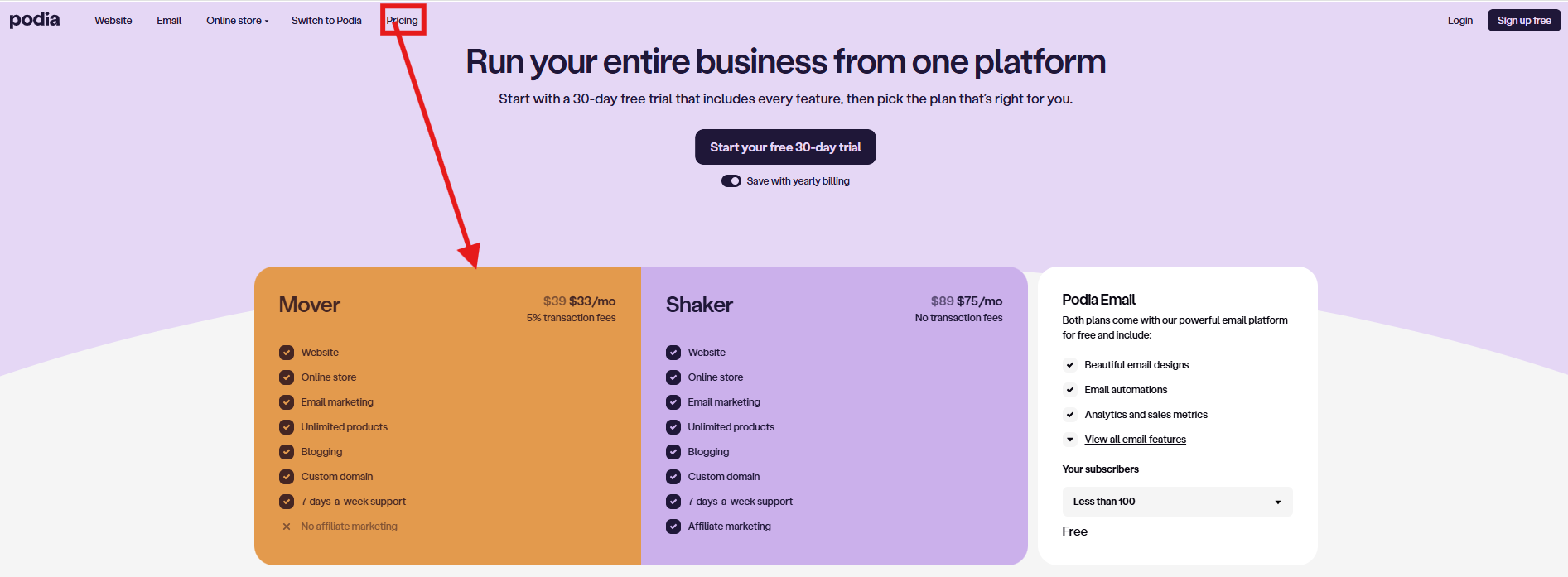
Pricing(Billed Annually)
Mover Plan – $33/month
- Unlimited products and students
- 5% transaction fee
- Website with unlimited pages
- Email marketing included
Shaker Plan – $75/month
- 0% transaction fee
- Affiliate marketing
- PayPal payments
- Zapier actions for automation
5. Systeme.io
Systeme.io is a popular Kajabi alternative for creators and entrepreneurs who want an affordable all-in-one platform to manage online courses, email marketing, sales funnels, websites, and automation tools. Instead of using multiple software solutions, Systeme.io combines course hosting, marketing, and business management features within a single dashboard.
Ease of Use: ⭐⭐⭐⭐⭐
Features: ⭐⭐⭐⭐
Affordability: ⭐⭐⭐⭐⭐
Learning Experience: ⭐⭐⭐⭐
Because of its simple interface and budget-friendly pricing, many creators choose Systeme.io to launch and grow their online business without investing heavily in expensive marketing software. It’s especially popular among solopreneurs, coaches, and beginners looking for an easy-to-manage platform for selling courses and digital products.
Top Features
- Sales funnel builder
- Email marketing
- Website builder
- Marketing automation
Pros
- Very affordable pricing
- All-in-one platform
- Beginner-friendly
- Free plan available
Cons
- Limited design customization
- Basic UI
- Fewer advanced features
- Learning curve for automation
Kajabi vs Systeme.io
- Kajabi includes more advanced marketing automation and premium business tools, while Systeme.io focuses on affordability and simplicity.
- Systeme.io offers built-in sales funnels, email marketing, and automation features at a lower price point, whereas Kajabi comes with more advanced customization and analytics tools.
- Kajabi provides a more polished and scalable experience for growing digital businesses, while Systeme.io is designed for creators who want an easy, all-in-one solution on a budget.
- Systeme.io is ideal for beginners and small creators launching their first online business, while Kajabi is better suited for entrepreneurs scaling a larger digital product ecosystem.
Systeme.io Pricing
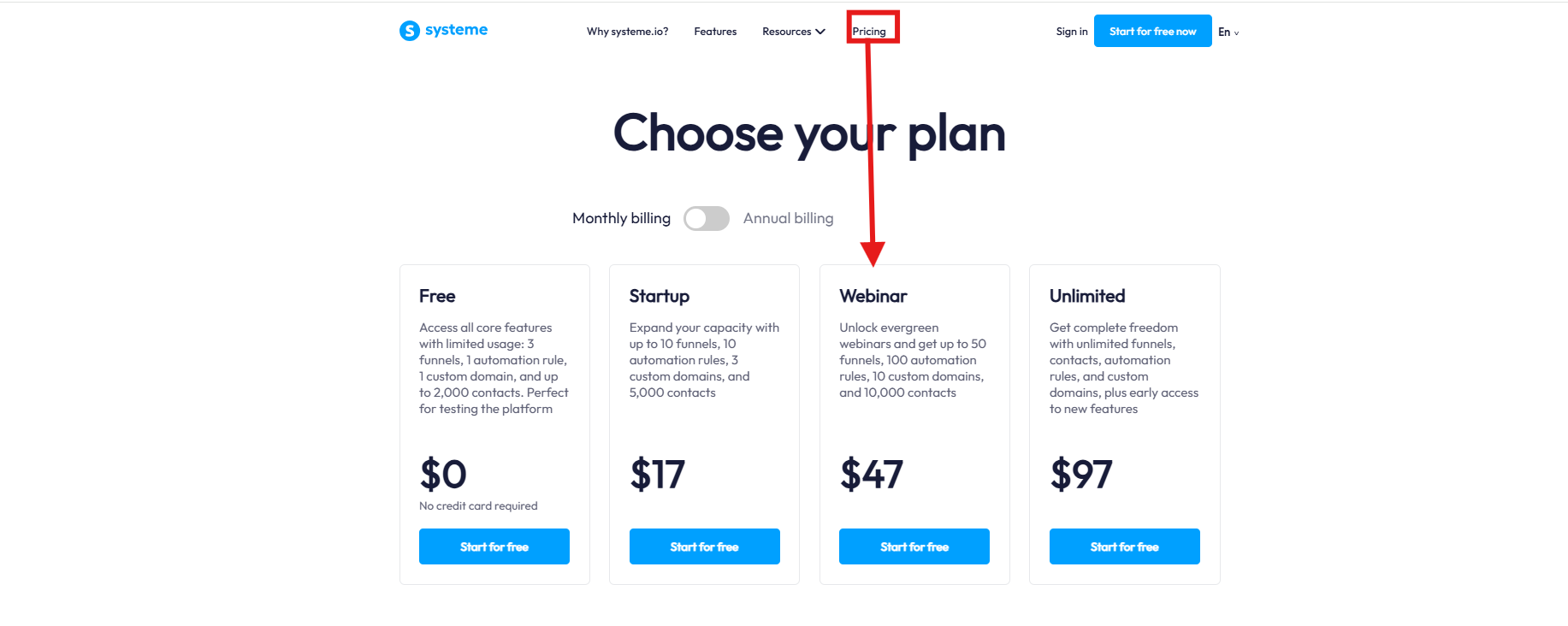
Pricing (Billed Annually)
Free Plan – $0/month
- 3 sales funnels
- 1 automation rule
- 1 custom domain
- Up to 2,000 contacts
Startup Plan – $170
- Up to 10 funnels
- 10 automation rules
- 3 custom domains
- Up to 5,000 contacts
Webinar Plan – $470
- Evergreen webinars
- Up to 50 funnels
- 100 automation rules
- Up to 10,000 contacts
Unlimited Plan – $970/month
- Unlimited funnels
- Unlimited automation rules
- Unlimited custom domains
- Unlimited contacts
6. LearnWorlds
LearnWorlds is a powerful Kajabi alternative for creators and businesses that want advanced online course features with a highly interactive learning experience. Along with course hosting, LearnWorlds includes tools for interactive videos, assessments, certificates, communities, and website building, making it ideal for professional training and digital academies.
Ease of Use: ⭐⭐⭐⭐
Features: ⭐⭐⭐⭐⭐
Affordability: ⭐⭐⭐⭐
Learning Experience: ⭐⭐⭐⭐⭐
Because of its advanced eLearning capabilities and interactive course tools, many businesses choose LearnWorlds to create engaging and professional online training programs. It’s especially popular among educators, coaching businesses, and companies looking for a more immersive online learning platform.
Top Features
- Interactive course experience
- Website and course builder
- Sell courses and memberships
- Advanced customization
Pros
- Advanced learning tools
- Highly customizable
- Strong course experience
- Suitable for scaling
Cons
- Higher pricing
- Slight learning curve
- Overkill for beginners
- Requires setup time
Kajabi vs LearnWorlds
- Kajabi focuses more on marketing automation and sales funnels, while LearnWorlds emphasizes advanced eLearning and interactive course experiences.
- LearnWorlds includes interactive video learning and advanced assessment tools, whereas Kajabi provides stronger built-in email marketing and business automation features.
- Kajabi is better suited for entrepreneurs managing a complete digital business, while LearnWorlds is ideal for educators and businesses focused on professional online training.
- LearnWorlds offers deeper learning customization and student engagement features, while Kajabi provides a more all-in-one solution for marketing, sales, and course management.
LearnWorldsPricing
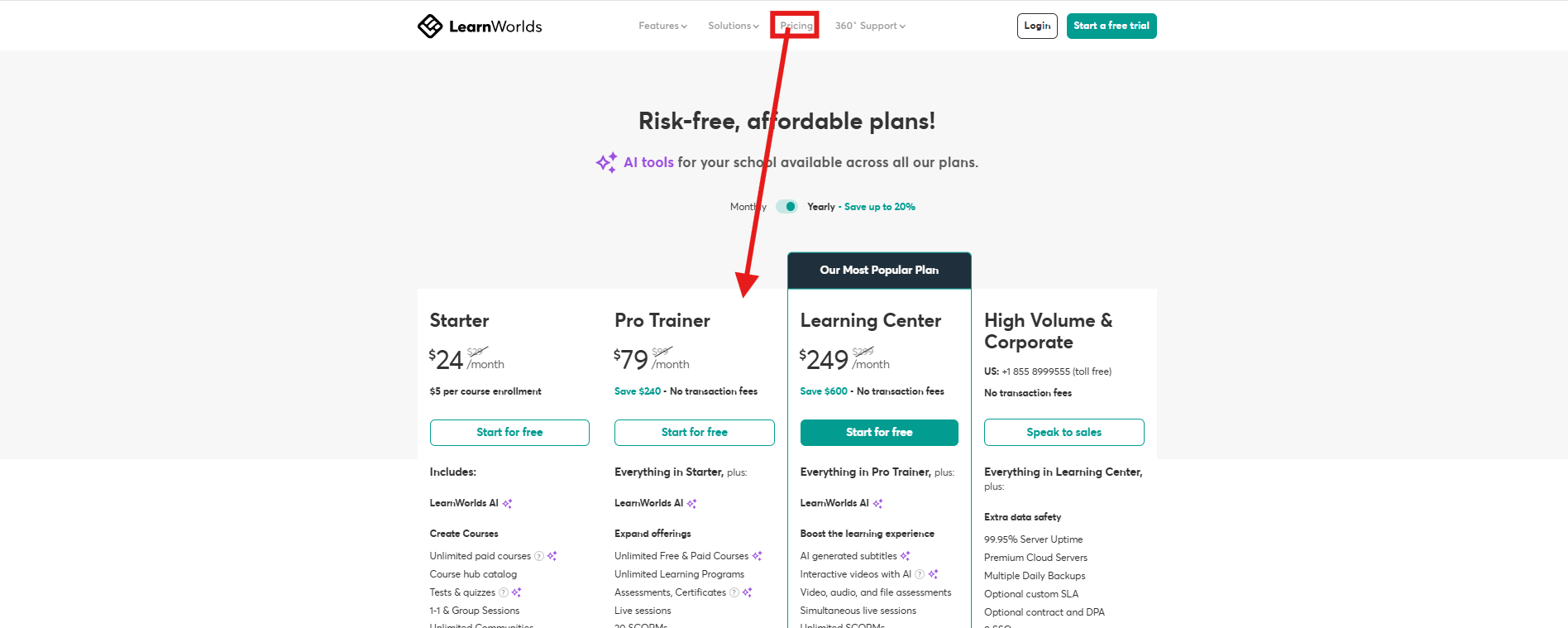
Pricing (Billed Annually)
Starter Plan – $24/month
- Unlimited paid courses
- 3-page website (basic site builder)
- Custom domain support
- $5 transaction fee per sale
Pro Trainer Plan – $79/month
- Unlimited free and paid courses
- Memberships and subscriptions
- Live classes and webinars
- No transaction fees
Learning Center Plan – $249/month
- White-label website
- Advanced integrations and API
- Interactive video features
- Bulk user management
High Volume & Corporate – Custom Pricing
- Single sign-on (SSO)
- Enterprise-level customization
- Advanced security features
- Scalable infrastructure
7. Mighty Networks
Mighty Networks is a strong Kajabi alternative for creators and businesses that want to combine online courses with community-driven learning and memberships. Along with course hosting, Mighty Networks offers discussion feeds, live events, group chats, memberships, and branded community spaces, making it ideal for creators focused on audience engagement and recurring revenue.

Ease of Use: ⭐⭐⭐⭐
Features: ⭐⭐⭐⭐⭐
Affordability: ⭐⭐⭐⭐
Learning Experience: ⭐⭐⭐⭐⭐
Because of its community-first approach and interactive learning tools, many creators choose Mighty Networks to build highly engaged memberships instead of traditional standalone course websites. It’s especially popular among coaches, creators, and brands looking to create long-term communities around their courses and digital content.
Top Features
- Community-first platform
- Courses and memberships
- Events and live sessions
- Mobile app experience
Pros
- Strong community features
- High user engagement
- All-in-one platform
- Mobile-first experience
Cons
- Transaction fees on all plans
- Limited course features
- Expensive scaling plans
- Learning curve for beginners
Kajabi vs Mighty Networks
- Kajabi focuses more on marketing automation and sales funnels, while Mighty Networks emphasizes community-driven learning and memberships.
- Mighty Networks includes discussion feeds, live events, and group engagement tools, whereas Kajabi provides stronger built-in email marketing and business automation features.
- Kajabi is better suited for entrepreneurs managing a complete digital business ecosystem, while Mighty Networks is ideal for creators building interactive online communities.
- Mighty Networks offers a more social and engagement-focused learning experience, while Kajabi provides a broader all-in-one solution for marketing, sales, and course management.
Mighty Networks Pricing
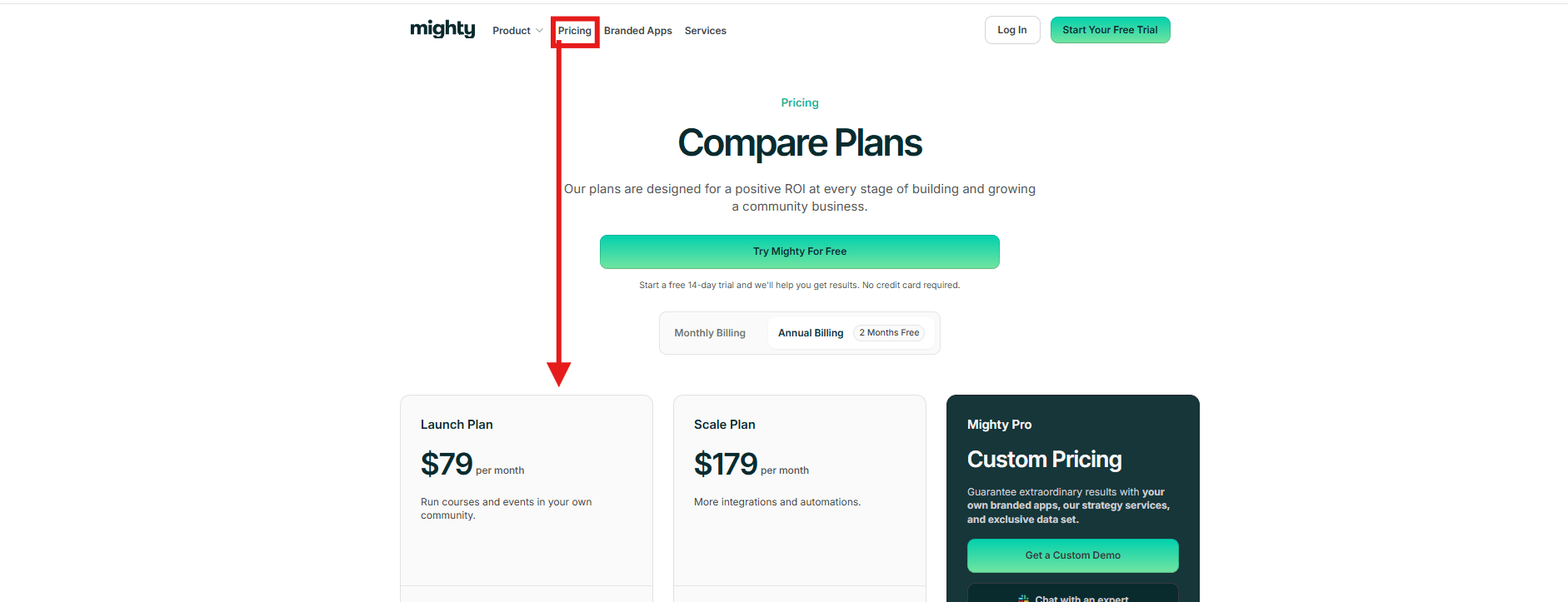
Pricing (Billed Annually)
Launch Plan – $79/month
- Community, courses, and memberships
- Basic automations
- Custom domain
- 2% transaction fee
Scale Plan – $179/month
- Multi-feature spaces
- Advanced automations
- API and integrations
- 1% transaction fee
Growth Plan – $354/month
- Advanced automations
- Multiple hosts and moderators
- Course and event features
- 0.5% transaction fee
Mighty Pro – Custom Pricing
- Fully branded mobile apps
- Advanced customization
- Enterprise-level features
- Scalable infrastructure
8. Ruzuku
Ruzuku is a simple and creator-friendly Kajabi alternative designed for educators, coaches, and course creators who want an easy way to build and sell online courses. Along with course hosting, Ruzuku offers features like webinars, memberships, quizzes, discussion forums, and payment integrations, making it a practical option for creators focused primarily on teaching and student engagement.
Ease of Use: ⭐⭐⭐⭐⭐
Features: ⭐⭐⭐⭐
Affordability: ⭐⭐⭐⭐
Learning Experience: ⭐⭐⭐⭐
Because of its clean interface and minimal setup requirements, many creators choose Ruzuku to launch courses quickly without dealing with complicated marketing systems or technical configurations. It’s especially popular among coaches, trainers, and educators looking for a straightforward online teaching platform.
Top Features
- Unlimited courses and students
- Live meetings and discussions
- Built-in sales pages and payments
- Community and interaction tools
Pros
- Very easy to use
- Unlimited courses and students
- Strong learning experience
- No transaction fees
Cons
- Limited marketing tools
- No advanced automation
- Basic customization
- Not ideal for scaling businesses
Kajabi vs Ruzuku
- Kajabi includes advanced marketing automation and sales funnel tools, while Ruzuku focuses more on simple course creation and student engagement.
- Ruzuku offers an easier setup process for educators and beginners, whereas Kajabi provides more advanced business and marketing capabilities.
- Kajabi is better suited for entrepreneurs managing a full digital business ecosystem, while Ruzuku is ideal for creators focused mainly on teaching and online courses.
- Ruzuku provides a more affordable and straightforward learning platform, while Kajabi offers premium features for scaling marketing, automation, and sales operations.
Pricing (Billed Annually)
Free Plan – $0/month
- Up to 5 students
- Unlimited courses
- Host videos (up to 2GB each)
- Live meetings & discussions
Core Plan – $99/month
- Unlimited students
- Unlimited courses
- Unlimited course invitations
- Sales pages & payments
Pro Plan – $199/month
- White-label branding & custom domain
- Multiple instructor accounts
- Certificates of completion
- Digital product sales
9. Zenler
Zenler is an affordable Kajabi alternative designed for creators who want an all-in-one platform to build, market, and sell online courses, memberships, and coaching programs. Along with course hosting, Zenler includes built-in email marketing, webinars, live classes, sales funnels, communities, and website-building tools, making it a strong option for creators managing their entire business from one dashboard.

Ease of Use: ⭐⭐⭐⭐
Features: ⭐⭐⭐⭐⭐
Affordability: ⭐⭐⭐⭐⭐
Learning Experience: ⭐⭐⭐⭐
Because of its all-in-one approach and lower pricing compared to Kajabi, many creators choose Zenler to manage courses, marketing, webinars, and memberships without relying on multiple subscriptions. It’s especially popular among coaches, educators, and entrepreneurs looking for a feature-rich platform at a more budget-friendly price.
Top Features
- All-in-one platform
- Live classes and webinars
- Marketing and funnels
- Email marketing system
Pros
- All-in-one solution
- More affordable than Kajabi
- Built-in marketing tools
- No need for multiple tools
Cons
- UI can feel less polished
- Learning curve
- Limited integrations
- Can feel complex initially
Kajabi vs Zenler
- Kajabi offers more polished marketing automation and premium business tools, while Zenler focuses on affordability and all-in-one functionality.
- Zenler includes built-in live classes and webinar tools, whereas Kajabi emphasizes advanced funnels, automations, and branded business features.
- Kajabi provides a more refined user experience and stronger analytics, while Zenler offers similar core features at a lower price point.
- Zenler is ideal for creators wanting an affordable all-in-one platform, while Kajabi is better suited for businesses looking for premium marketing and scaling capabilities.
Zenler Pricing
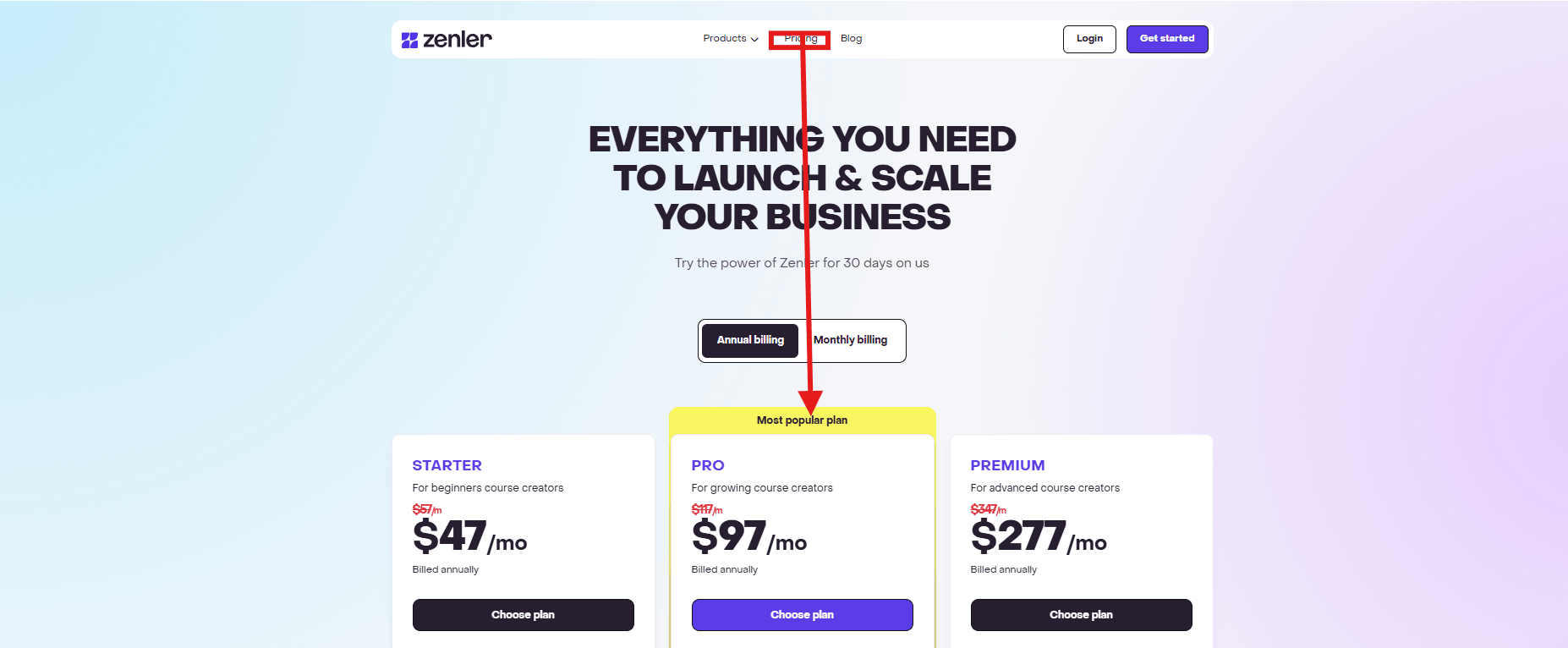
Pricing(Billed Annually)
Starter Plan – $47/month
- 1 site
- 5 courses
- 1 community
- 5,000 emails/month
Pro Plan – $97/month
- 3 sites
- Unlimited courses
- 100 marketing funnels
- 100,000 emails/month
Premium Plan – $277/month
- 10 sites
- Unlimited communities
- Unlimited funnels
- 500,000 emails/month
Kajabi Alternatives Comparison Table
A quick comparison can help you choose the right platform based on your needs, budget, and features.
|
Platform
|
Best For
|
Pricing (Starting)
|
Key Strength
|
|
Teachable
|
Beginners
|
$29/month
|
Easy course creation
|
|
Thinkific
|
Scaling businesses
|
$36/month
|
Customization
|
|
FreshLearn
|
AI + affordability
|
$41/month
|
AI + all-in-one
|
|
Podia
|
Simplicity
|
$33/month
|
Easy setup
|
|
Systeme.io
|
Budget users
|
Free
|
Funnels + email
|
|
LearnWorlds
|
Advanced learning
|
$24/month
|
Interactive courses
|
|
Mighty Networks
|
Community
|
$79/month
|
Engagement
|
|
Ruzuku
|
Simplicity
|
$0/month
|
Easy teaching
|
|
Zenler
|
All-in-one
|
$47/month
|
Funnels + webinars
|
How to Choose the Best Kajabi Alternative
Choosing the right Kajabi alternative depends on what you actually need—not what has the most features.
- Your goal: Pick a platform based on your focus—courses, community, or marketing.
- Ease of use: If you’re starting out, go for simple tools like Teachable or Podia.
- Pricing vs value: Choose a platform that fits your budget without paying for unused features.
- Scalability: If you plan to grow, consider platforms like Thinkific or LearnWorlds.
FAQs
1. What is the best alternative to Kajabi?
The best alternative depends on your needs. Teachable is great for beginners, while Thinkific offers more customization and scalability.
2. Is there a cheaper alternative to Kajabi?
Yes, platforms like Systeme.io and Podia are much more affordable and still offer essential features.
3. Which Kajabi alternative is easiest to use?
Teachable and Podia are known for their simple interface and quick setup.
4. What platform is similar to Kajabi but more affordable?
FreshLearn and Zenler offer similar all-in-one features at a lower cost.
5. Are there free alternatives to Kajabi?
Yes, Systeme.io and Ruzuku offer free plans to get started.
6. Which platform is better than Kajabi for courses?
Thinkific and LearnWorlds provide more advanced course-building features.
7. Is Kajabi worth it compared to its alternatives?
Kajabi is powerful, but many alternatives offer better pricing, flexibility, and focused features depending on your needs.
Final Thoughts
Kajabi is undoubtedly a powerful platform, but it’s not always the right fit for every creator.
At Khajabi, we’ve analyzed and compared multiple platforms based on real creator needs, pricing, usability, flexibility, and overall value. From this evaluation, it’s clear that many Kajabi alternatives now offer strong capabilities, often at a more accessible price point.
Some platforms are better for beginners, some for scaling businesses, and others for specific use cases like community building or automation. There’s no single “best” platform—only the one that fits your workflow and goals.
This comparison is not about favoring one tool over another, but about helping you make a practical and informed decision.
The right choice depends on what you need, not what’s most popular.
You might also like